Acting as the executor of an estate is one of the most emotionally and logistically demanding jobs you'll ever take on. You're grieving a loss while also making legal decisions, managing family dynamics, and clearing out a lifetime of accumulated belongings. This checklist is the guide we wish someone had given our clients before they called us. It covers the legal requirements specific to Ontario, the order of operations that minimizes stress, and the questions to ask before you hire any estate cleanout company.
Phase 1: Legal and Administrative (Weeks 1–4)
Before you touch a single item in the property, get these legal and administrative steps done. Skipping them can cause major problems later — including personal liability for the executor.
1. Obtain the death certificate
Order multiple certified copies from the funeral home or Service Ontario. You'll need them for banks, insurance companies, the land registry, CRA, and any companies where the deceased held accounts. Order 10–15 copies; you'll go through them faster than you think.
2. Locate the will and apply for probate (if required)
If the deceased left a will, the named executor applies to the Ontario Superior Court for a Certificate of Appointment of Estate Trustee (commonly called probate). Not all estates require probate — if assets are jointly held or below certain thresholds, you may be able to skip this step. Consult an estate lawyer to confirm.
3. Notify relevant parties
- Banks and financial institutions (close or freeze accounts)
- Insurance companies (home, auto, life)
- Employer (if still employed) and pension administrator
- Service Ontario (cancel health card, driver's license)
- Canada Revenue Agency (notify of death, file final tax return)
- Utility companies (gas, hydro, water, internet — don't cancel yet, but notify)
- Canada Post (redirect mail to your address)
- Credit card companies and creditors
- Subscription services and memberships
4. Secure the property
If the property will be vacant for any length of time, change the locks, set up mail forwarding, and arrange for someone to check on it regularly. Vacant property insurance is different from regular home insurance — notify the insurer that the home is now vacant, or claims may be denied.
As an executor, you're personally liable if you distribute assets before debts are settled. Hold off on giving away furniture, selling the house, or distributing cash until you've confirmed all creditors have been notified and the estate's liabilities are clear.
Phase 2: Inventory and Documentation (Weeks 3–6)
5. Photograph and inventory everything
Before anything leaves the property, photograph every room from multiple angles. Document valuables, collectibles, jewelry, art, and any items that may be subject to dispute among beneficiaries. Create a spreadsheet listing items of significant value with their estimated worth. This protects you as executor and provides documentation for probate, taxes, and beneficiary disputes.
6. Locate important documents
Search systematically for: wills and codicils, life insurance policies, property deeds and titles, vehicle registrations, bank statements, investment account statements, tax returns (last 5 years), pension documents, marriage certificate, birth certificates, military records, pre-paid funeral arrangements, and any safe deposit box keys. Set these aside in a secure location — never dispose of paperwork without explicit review.
7. Identify items specifically bequeathed in the will
Many wills include specific bequests — 'my grandmother's piano to my niece Sarah,' 'my coin collection to my nephew Michael.' Identify these items first, set them aside, label them clearly with the intended recipient, and document that you've done so. These items don't go through the general estate distribution.
Phase 3: Family Decisions (Weeks 4–8)
8. Invite family to claim keepsakes
Once specific bequests are set aside, give family members an opportunity to claim other keepsakes. The fairest approach: give each beneficiary a fixed number of 'claim tickets' they can apply to any item in the house. If multiple people want the same item, draw lots or have the executor mediate. Document who took what — this prevents later disputes.
9. Decide on sale vs. donation vs. disposal
After family has taken what they want, you have three options for the rest:
- Sell — estate sale, online auction (MaxSold, EstateSales.net), or consignment. Best for items with clear market value: antiques, art, jewelry, quality furniture.
- Donate — Habitat for Humanity ReStore, Salvation Army, local charities. Best for usable but not valuable items. Get a tax receipt for the estate.
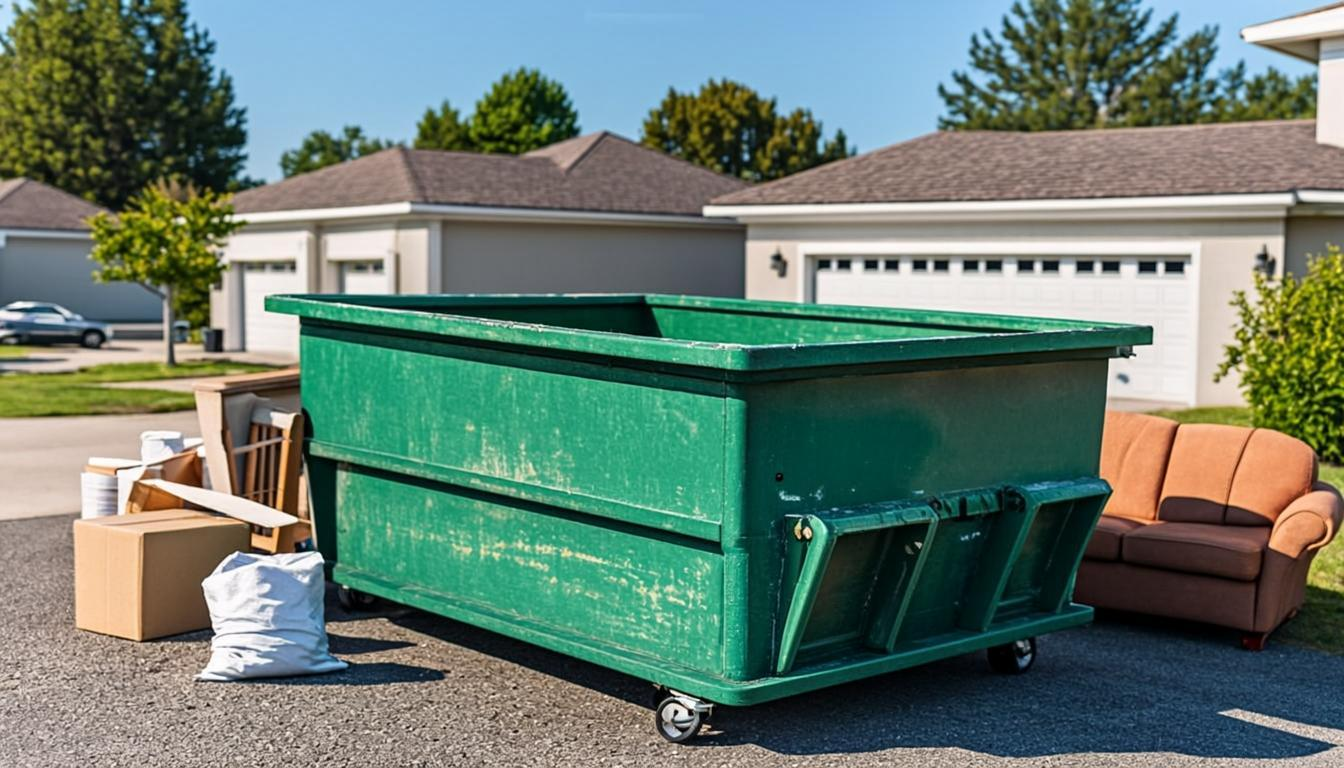
- Dispose — junk removal or dumpster rental. Best for broken, outdated, or low-value items. Costs money but fast.
10. Consider an estate sale
If the estate has significant contents, an estate sale company can run a 1–3 day sale on-site. They typically take 30–40% of gross sales as commission, but they handle pricing, marketing, crowd control, and cleanout after the sale. For estates with mostly low-value contents, donation + junk removal is usually faster and more cost-effective than an estate sale.
Phase 4: Cleanout (Weeks 6–12)
11. Hire a professional estate cleanout company
Once donations and sales are done, the remaining contents need to be hauled away. This is where a professional estate cleanout company comes in. They'll sort remaining items into donate/recycle/dispose piles, haul everything away, sweep and clean the property, and provide documentation for your estate accounting.
Our estate cleanout service includes sorting, donation drop-off, recycling, disposal, and final property cleaning. We work with out-of-province executors via video walkthrough and photo documentation. Call (613) 555-0199 for a free on-site assessment.
12. Cancel utilities and final cleanup
Once the property is empty, cancel utilities (gas, hydro, water, internet). Forward final bills to the estate. Do a final walkthrough to confirm nothing was missed — check attic, basement, garage, shed, and outbuildings. Remove any remaining garbage and sweep/vacuum the floors.
Phase 5: Property Disposition (Weeks 10–20)
13. Prepare the property for sale or transfer
If the property is being sold, work with a real estate agent to determine what (if any) updates are worth doing. Empty properties often benefit from a light staging, fresh paint, and professional cleaning. If the property is being transferred to a beneficiary, work with an estate lawyer to handle the title transfer.
14. Final tax filings
File the deceased's final tax return (for the year of death) and obtain a Clearance Certificate from CRA before distributing the remaining estate. The Clearance Certificate confirms all taxes have been paid and protects the executor from personal liability for any future tax claims.
How Long Does an Estate Cleanout Take?
The total estate settlement process typically takes 6–18 months in Ontario. The cleanout itself is usually a 1–3 week window within that larger timeline. Here's a realistic breakdown:
- Legal and administrative setup: 2–4 weeks
- Inventory and document review: 2–4 weeks
- Family keepsake decisions: 2–4 weeks (often the longest phase due to family scheduling)
- Estate sale (if applicable): 2–4 weeks including prep and sale weekend
- Final cleanout: 1–3 days on-site, with 1 week lead time for scheduling
- Property sale or transfer: 4–12 weeks
- Final tax filings and clearance: 4–8 months
Working with Out-of-Town Executors
If you're an executor living outside the Quinte region, you don't have to be on-site for every step. Many estate cleanout companies (including us) work remotely with out-of-town executors via:
- Video walkthroughs using FaceTime, Zoom, or WhatsApp
- Detailed photo documentation of every room
- Item-by-item decision tracking via shared spreadsheet
- Secure document handling with tracked shipping
- Coordination with local real estate agents, lawyers, and contractors
- Final photo documentation of empty, cleaned property
Costs of an Estate Cleanout in Ontario
Estate cleanout costs vary widely based on the size of the property and how much content is being removed. A typical 3-bedroom Belleville-area home with average contents runs $1,500–$3,500 for full cleanout including donation drop-off, disposal, and final cleaning. Larger homes or hoarding situations can run $5,000+. The good news: costs are deductible from the estate before distribution to beneficiaries, and donated items generate tax receipts that further reduce estate taxes.
Frequently Asked Questions
Need Junk Removal in Belleville?
Skip the research — call us for a free, no-obligation quote. We'll give you a firm price in under 60 seconds.
Related Services
Estate & Hoarder Cleanouts
Compassionate, discreet full-property cleanouts for estates, downsizing, hoarding situations, and foreclosures. We sort, donate, and dispose responsibly.
Residential Junk Removal
Full-house cleanouts, garage cleanouts, basement clear-outs, and general household junk haul-away. We handle everything from old furniture to broken appliances.